
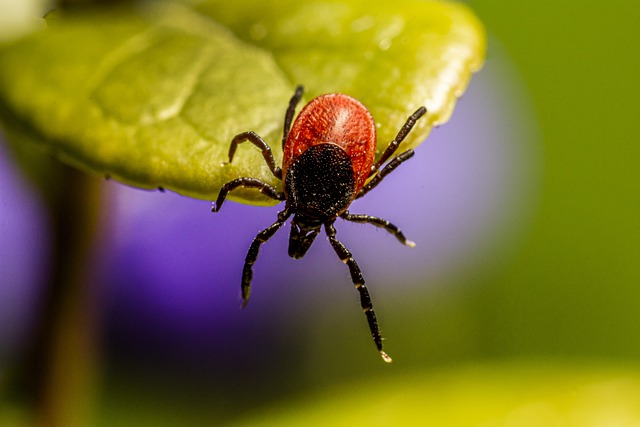
Ticks are more than just a nuisance. They carry serious health risks for both people and pets, including Lyme disease, anaplasmosis, and other tick-borne illnesses that are common throughout Connecticut. For homeowners, especially those with children or pets, creating a landscape that discourages ticks is one of the smartest ways to improve outdoor safety.
The good news is that thoughtful landscape design can make a major difference.
By reducing tick habitat and creating tick-safe zones, homeowners can lower the risk of exposure while keeping their property beautiful and functional. At All Seasons Maintenance, we help homeowners design and maintain safer outdoor environments with landscaping strategies that reduce pest-prone areas and improve property health.
Why Landscape Design Matters for Tick Prevention
Ticks thrive in moist, shaded environments with plenty of leaf litter, tall grass, and overgrown vegetation. Landscapes that are dense and unmanaged create ideal conditions for ticks to hide and reproduce.
Common tick-prone areas include:
- Overgrown lawn edges
- Dense shrubs
- Leaf piles
- Wooded property borders
- Tall ornamental grasses
Without proper maintenance, these areas create a direct pathway for ticks to move into lawns, play spaces, and pet areas.
Creating tick-safe zones involves modifying the landscape so these pests are less likely to survive near the areas your family uses most.
Keep Grass Mowed and Edges Maintained
Tall grass is one of the easiest places for ticks to hide. They use grass blades to wait for pets, wildlife, or people to brush past so they can attach themselves.
Keeping grass trimmed short reduces the moisture and cover ticks need to survive.
This means:
- Mowing lawns regularly
- Trimming fence lines
- Maintaining property edges
- Preventing overgrowth
A clean, maintained lawn is less inviting to ticks and easier to inspect for problem areas.
At All Seasons Maintenance, our professional lawn care services help homeowners maintain landscapes that discourage tick activity while improving overall curb appeal.
Create Mulch or Stone Barrier Zones
One of the most effective ways to create a tick-safe zone is by installing a barrier between wooded or natural areas and your lawn.
Ticks are less likely to cross dry, open materials like:
- Wood mulch
- Gravel
- Decorative stone
A 3-foot barrier strip between wooded edges and lawn areas helps reduce tick migration into active family spaces.
These barriers create:
- Drier conditions
- Reduced vegetation cover
- Separation from tick habitat
This simple landscape feature is highly effective for protecting play areas, patios, and pet zones.
Reduce Dense Ground Cover Near Activity Areas
Ground cover plants may look attractive, but dense, low-growing vegetation can trap moisture and provide ideal shelter for ticks.
This is especially risky near:
- Patios
- Walkways
- Playgrounds
- Dog runs
Reducing or replacing thick ground cover near high-use areas improves airflow and limits hiding spots.
Safer alternatives include:
- Mulched beds
- Stone landscaping
- Well-spaced shrubs
These options improve visibility and reduce the moist conditions ticks prefer.
Prune Shrubs to Improve Airflow and Sunlight
Ticks prefer shady, humid environments. Overgrown shrubs block airflow and trap moisture, making the surrounding soil cooler and damper.
Pruning shrubs regularly helps:
- Increase sunlight penetration
- Improve air circulation
- Reduce damp conditions
- Eliminate sheltered hiding areas
This creates a less hospitable environment for ticks while improving plant health.
Strategic pruning is one of the easiest ways to make your landscape less attractive to pests without changing the overall design.
Remove Leaf Litter and Yard Debris
Leaf piles, brush piles, and organic debris create ideal habitats for ticks and the small animals that carry them.
These areas provide:
- Moisture retention
- Shelter from sunlight
- Protection for rodents and deer
Routine cleanup is essential to reduce these habitats.
Homeowners should regularly remove:
- Fallen leaves
- Brush piles
- Unused wood piles
- Overgrown weeds
This reduces tick populations while making the landscape easier to maintain.
At All Seasons Maintenance, our seasonal cleanup services help homeowners remove debris that contributes to tick activity.
Design Play and Pet Areas Away from Property Edges
Ticks are most common near wooded borders, brush lines, and unmanaged edges where wildlife travels.
To improve safety, locate high-use outdoor spaces away from those areas.
This includes:
- Playsets
- Patios
- Pet runs
- Seating areas
Positioning these spaces in sunny, open areas reduces the chance of exposure.
Combined with proper mowing and barrier zones, thoughtful placement of activity areas creates safer outdoor spaces for families and pets.
Discourage Wildlife from Entering the Yard
Ticks often enter properties on deer, rodents, and other wildlife.
Landscaping choices can help discourage these animals by reducing attractive shelter and food sources.
This may include:
- Trimming dense shrubs
- Securing compost bins
- Reducing brush piles
- Limiting dense edge cover
Reducing wildlife traffic lowers the likelihood of ticks spreading into lawn areas.
Professional landscape management can help homeowners identify and address wildlife-friendly problem areas.
Ongoing Landscape Maintenance Is the Key to Tick Control
Creating tick-safe zones is not a one-time project. Ongoing maintenance is what keeps the landscape less hospitable to ticks over time.
Routine maintenance should include:
- Regular mowing
- Seasonal pruning
- Mulch refreshing
- Debris cleanup
- Edge management
Without ongoing care, tick habitats can quickly return.
At All Seasons Maintenance, we provide comprehensive landscape maintenance services that help homeowners keep their outdoor spaces attractive, functional, and safer for the whole family.
Protect Your Family with All Seasons Maintenance
Ticks are a serious concern for homeowners, but strategic landscape design can significantly reduce the risk.
By maintaining short grass, improving airflow, removing debris, and creating tick-safe zones, you can create an outdoor space that is safer for your family and pets.
At All Seasons Maintenance, we help homeowners design and maintain healthier landscapes that protect both property value and family well-being.
Visit All Seasons Maintenance today to learn how our professional landscaping services can help create a safer, cleaner, and more tick-resistant outdoor environment.